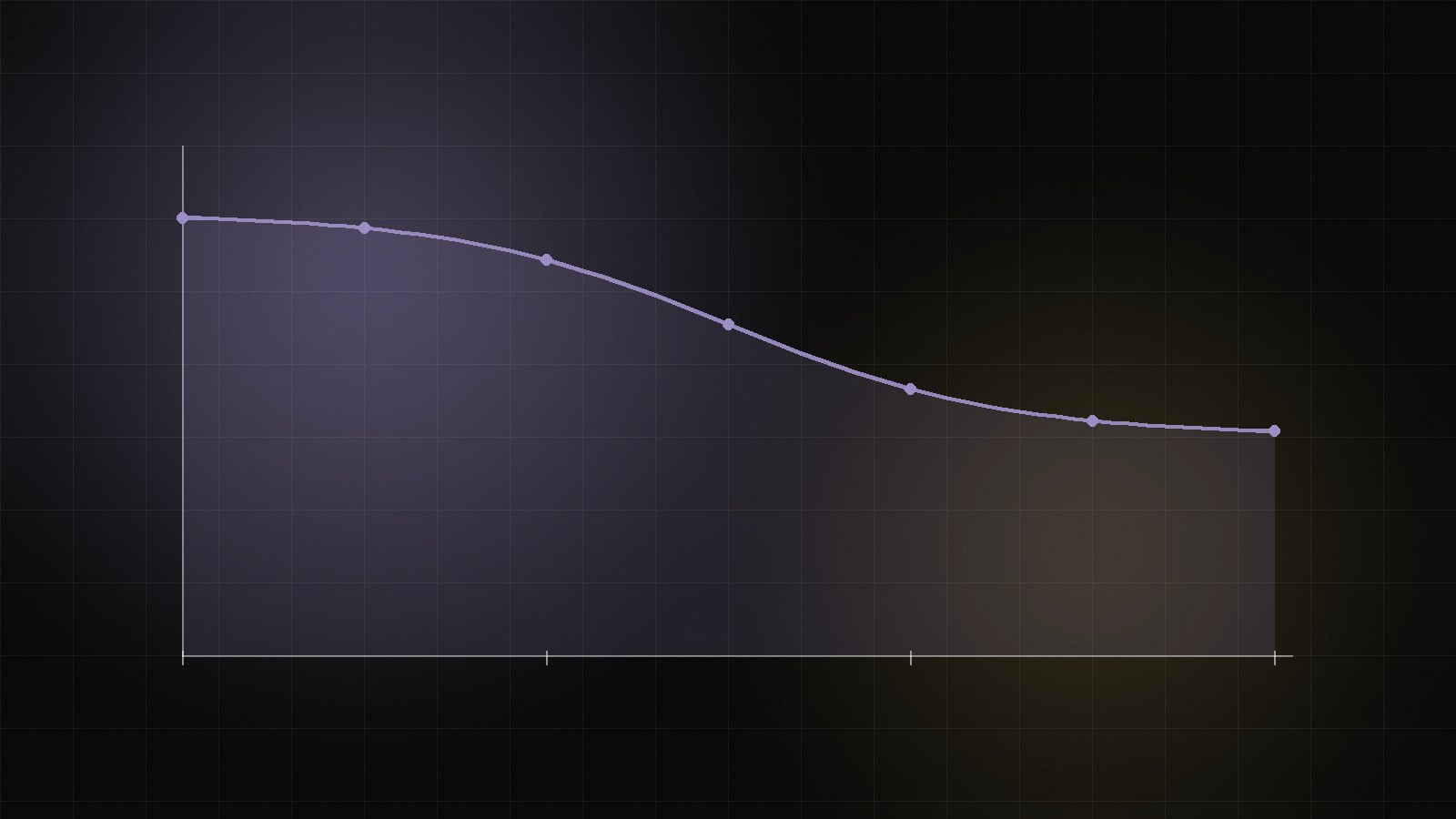
The gradual decline of NAD+ with age is one of the most consistent findings in longevity biology. The numbers vary by tissue and methodology, but the general shape is clear: by your 60s, most tissues contain roughly half the NAD+ they had in your 20s. Here's what's actually happening, and why it matters.
The three mechanisms
1. CD38 rises
CD38 is an enzyme on the surface of many immune cells that degrades NAD+. It's part of your normal inflammatory response, but chronic low-grade inflammation (sometimes called "inflammaging") means CD38 is running harder and more often as you get older. The more CD38 activity, the more NAD+ gets broken down before your cells can use it.
2. PARP activation increases
PARPs are DNA repair enzymes. Every time they fix a piece of damaged DNA, they consume NAD+. As you accumulate more DNA damage with age, from normal metabolism, UV exposure, environmental stress, PARPs get busier, and the NAD+ bill grows.
3. Biosynthesis slows
Your cells build NAD+ from precursors using a handful of enzymes. The activity of some of these enzymes, particularly NAMPT, drops with age. Less production, more demand, you end up with less NAD+ in circulation.
What the decline feels like
NAD+ deficiency isn't a single symptom. It shows up as a constellation of subtle shifts that people often attribute to "just getting older":
- Slower recovery from exercise and late nights
- Reduced metabolic flexibility (harder to stay lean, more sensitive to carbs)
- Declining VO2 max and mitochondrial function
- Slower DNA repair, which over time contributes to broader cellular dysfunction
- Less responsive stress response, you feel tired longer after insults
Why 40 seems to be the hinge
Most tissue biopsies and blood-based NAD+ measurements show the steepest decline between ages 40 and 60. This is also when most people start noticing the downstream effects in real life. There's nothing magic about the number 40, but it's when several biological trends converge: cumulative DNA damage, inflammaging, hormonal shifts, and reduced mitochondrial biogenesis all compound around this point.
The good news: NAD+ levels respond to intervention. Both precursor supplementation and lifestyle factors can meaningfully change the trajectory.
What actually moves the needle
The interventions with the best data are unsexy but reliable:
- Precursor supplementation, NMN or NR, dosed consistently, with delivery methods that actually get the molecule to your cells
- Exercise, especially Zone 2 cardio, directly stimulates NAD+ biosynthesis via the NAMPT pathway
- Time-restricted eating, fasting windows activate sirtuins and reduce CD38 activity
- Sleep, the single biggest modifiable lever; poor sleep destroys NAD+ homeostasis
The point of measuring
You can measure NAD+ in blood, though the assays are still refining and results vary. For most people, the more useful signal is functional: how do you recover, how does your energy feel across the day, how sharp is your cognition in the afternoon. These aren't precise, but they're what actually matters.